

By Highess
Accra, Ghana — Ghana is a country rich in culture, tradition, and heritage. From the rhythmic drums of festivals to the vibrant patterns of kente cloth, the nation offers a living tapestry of experiences. Yet, much of this cultural wealth remains untapped in the tourism sector. Born Black, a lifestyle and cultural brand, argues that Ghana’s traditions could be the key to driving sustainable tourism growth, while boosting local economies and empowering communities.
Culture: Ghana’s Untapped Tourism Asset
Modern tourists increasingly seek authentic experiences. They want to engage with local people, taste regional cuisines, and witness daily life firsthand. Ghana’s music, dance, clothing, food, and rural lifestyles are precisely the elements that can deliver these experiences.
“Tourism today is about immersion and storytelling, not just monuments,” says Nana Adjei, a cultural consultant affiliated with Born Black. “Ghana has the assets. The challenge is packaging them in a way that respects local traditions while appealing to international travelers.”
By leveraging its culture, Ghana can generate significant revenue for artisans, performers, food vendors, drivers, waiters, receptionists, bouncers, and state agencies, creating a ripple effect that benefits the entire nation. However, for this potential to be fully realized, these frontline workers must be properly trained and oriented. Most serve as the first point of contact for travelers, and their conduct, knowledge, and professionalism directly shape visitor experiences. By understanding the crucial role they play in the tourism ecosystem, they can ensure that every interaction reflects Ghana’s rich culture and hospitality.
Learning from Global Leaders
Several countries provide clear examples of how culture can drive tourism growth:
- Japan: Rural villages and traditional festivals have been transformed into major attractions. Shirakawa-go, with its historic thatched-roof homes, and Kyoto’s Gion Matsuri festival illustrate how immersive cultural experiences draw international visitors. Ghana could similarly promote its rural festivals and village ceremonies.
- Italy: The country has capitalized on food, fashion, and heritage. Culinary tours in Tuscany, artisan workshops in Florence, and Venice’s historic festivals exemplify how lifestyle can become a magnet for tourists. Born Black suggests regional culinary experiences and fashion showcases to highlight Ghanaian identity.
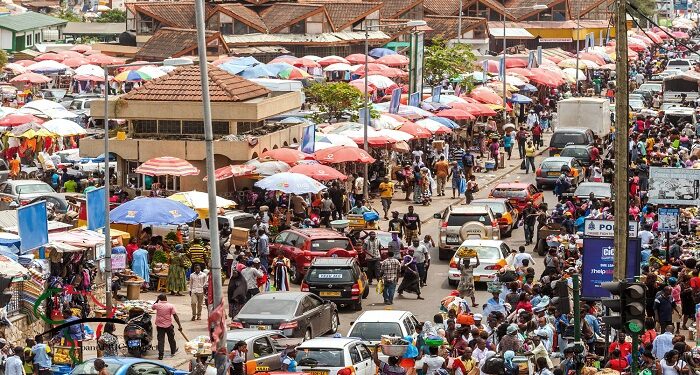
- Morocco: Cities like Marrakech have turned markets, street food, and performance arts into tourism cornerstones. Ghana could develop cultural hubs where tourists interact with local vendors, musicians, and craftspeople, offering authentic daily life experiences.
Key Areas for Transformation
People and Service
Tourists often judge their experience by interactions with locals. Proper training and orientation for drivers, waiters, receptionists, bouncers, and food vendors are essential. Friendly, professional service, paired with an understanding of their role in tourism, leaves lasting impressions and enhances Ghana’s cultural reputation.
Infrastructure and Facilities
Comfort does not need to compromise authenticity. Well-maintained tourist sites, signage, accessible rural paths, and clean amenities are essential.
Food and Cuisine
Ghana’s cuisine is diverse and flavorful. Street food tours, cooking classes, and regional food festivals can attract culinary tourists. Hygiene, presentation, and consistency are key to enhancing the visitor experience.
Clothing and Fashion
Traditional attire such as kente and batakari are iconic. Promoting local tailors and designers through festivals, markets, and workshops strengthens cultural identity and supports artisans.
Rural and Ceremonial Life
Rural Ghana offers authentic glimpses into everyday life. Farm visits, festival participation, and understanding funeral rites provide immersive experiences. Tourists increasingly seek these connections, and careful storytelling enhances engagement.
State and Institutional Support
Coordination by government agencies is essential. Efficient visa processes, clear signage, safety measures, and marketing campaigns increase visitor confidence. Collaborative efforts between local communities, private stakeholders, and government agencies ensure sustainable tourism growth.
Practical Steps Ghana Can Take
- Develop hospitality training programs for all frontline workers to ensure professionalism and cultural awareness.
- Promote regional festivals, rural experiences, culinary tours, and fashion showcases through marketing campaigns.
- Enhance infrastructure to improve comfort without compromising authenticity.
- Encourage community participation to ensure local economic benefits.
- Integrate storytelling that explains Ghanaian customs, rituals, and lifestyle in engaging ways.
The Born Black Vision
Born Black sees Ghana’s cultural identity not merely as heritage, but as a tool for national development. By embracing festivals, cuisine, fashion, rural traditions, and professional service, the country can redefine its tourism sector. With inspiration from Japan, Italy, and Morocco, Ghana has the potential to create experiences that are immersive, memorable, and economically transformative.
As the global appetite for authentic cultural experiences grows, the message from Born Black is clear: Ghana’s culture is not just a relic of the past — it is the pathway to a prosperous tourism future.