
By Highess
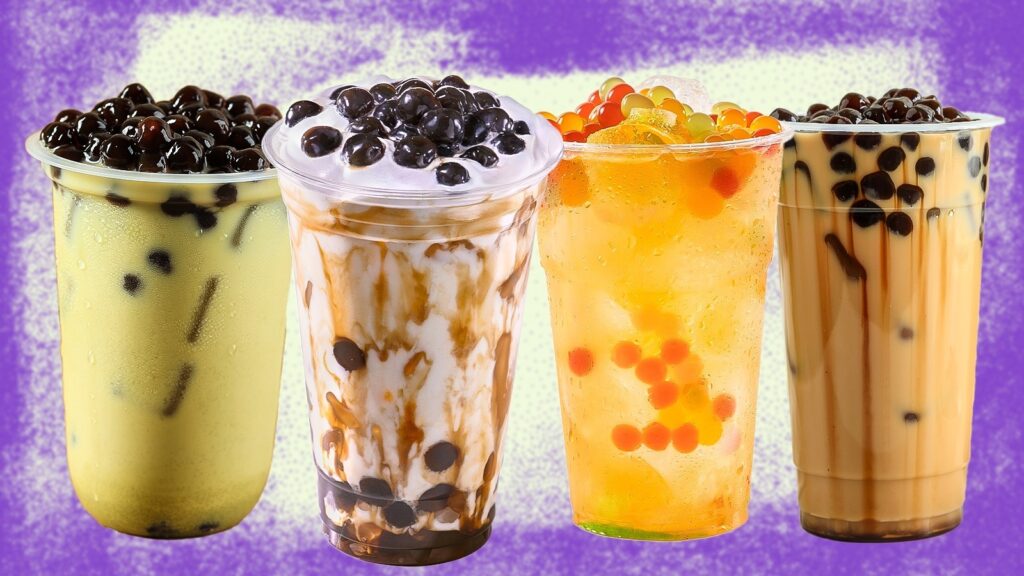
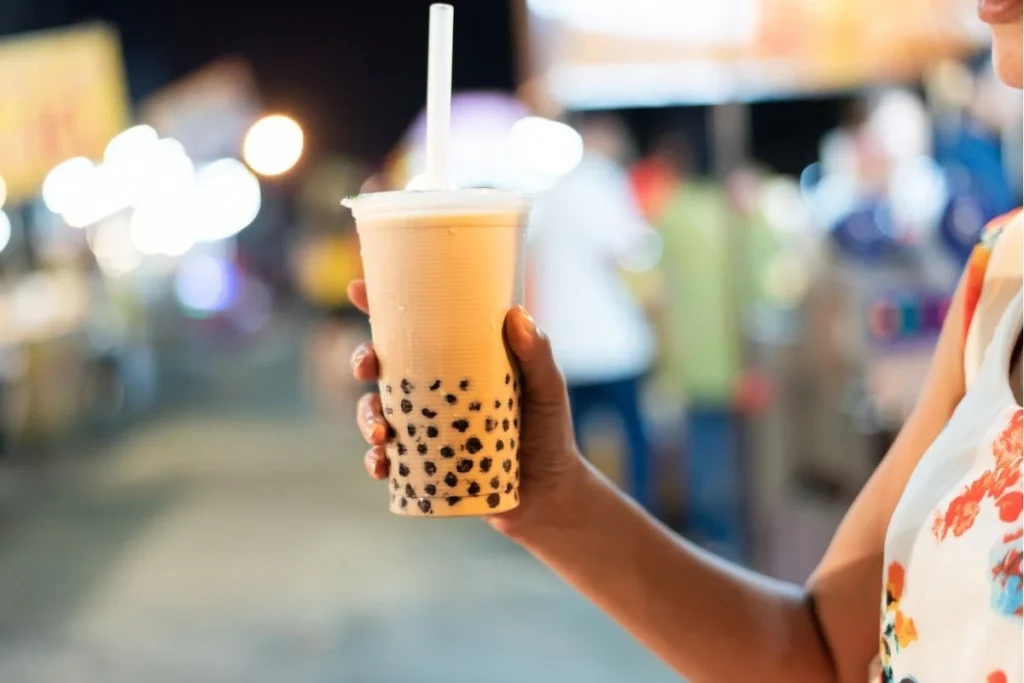
On any given weekend in Accra, the queues snake out of sleek, pastel-colored cafés. The scene is almost cinematic — ring lights, phones on record, laughter over chilled cups of milky sweetness. At the center of it all is Ghana’s newest craze: bubble tea, also known as boba.
Once a quirky drink from Taiwan, it’s now a full-blown lifestyle statement in Ghana’s urban youth culture. Shops like Boba Fie, Daddy Boba, and Fika are buzzing with activity, as Gen Z customers sip, pose, and post. For many, the drink is more than refreshment — it’s a symbol of identity, creativity, and global belonging.
But behind the colorful cups and tapioca pearls lies a reality that’s far less sweet. Health experts are warning that Ghana’s growing bubble tea obsession could have unintended consequences if left unchecked.
From Taiwan to Osu: How the Craze Landed in Ghana
Bubble tea was born in Taiwan in the 1980s — a playful mix of tea, milk, sugar, and chewy tapioca pearls. Fast-forward four decades, and it’s a multi-billion-dollar global industry, with cafés stretching from London to Lagos, and now, Accra.
In Ghana, bubble tea began as a novelty, appearing in a handful of Asian-inspired cafés. But over the past three years, it’s exploded. Local entrepreneurs have reimagined the drink, introducing flavors like Sobolo Twist, Tropical Pineapple, and Coconut Dream, blending Asian technique with Ghanaian flair.
At Daddy Boba in East Legon, queues of young people stretch out the door on weekends. Boba fie has become a hotspot for influencers and students. Fika, known for its minimalist interiors, attracts a more laid-back, creative crowd.
The drink’s visual appeal — pastel colors, glass jars, wide straws — makes it perfect for Instagram and TikTok, turning every purchase into content. But as with many global food trends, popularity has outpaced awareness.
The Bitter Truth Behind the Sweet Sip
Recent international tests on tapioca pearls — the chewy black balls at the bottom of every bubble tea — have raised serious questions. Some samples were found to contain trace levels of lead, likely absorbed from contaminated cassava fields. While there is no local data yet, Ghana imports nearly all its boba ingredients, leaving consumers vulnerable if standards aren’t enforced.
Then there’s the sugar problem. A single large bubble tea can pack between 30 and 50 grams of sugar, far exceeding the World Health Organization’s recommended daily limit. That’s more than a can of cola — and many young people drink it several times a week.
“Tapioca pearls are basically starch soaked in syrup,” explains, a public health nutritionist. “They offer no real nutritional value, and when combined with condensed milk and sweet flavorings, the sugar content becomes dangerous. Over time, this increases the risk of diabetes, obesity, and dental problems.”
Some doctors even warn of digestive risks. In extreme cases abroad, excessive tapioca consumption has caused intestinal blockages. One study linked kidney stones to regular bubble tea intake, especially among people who drink little water.
Culture vs. Health: The Lifestyle Dilemma
In Ghana, bubble tea has become part of Gen Z’s urban culture — a mix of global aesthetics and local creativity. For many, it’s not about thirst but status. The drink’s branding fits perfectly with the digital age — clean, photogenic, youthful.
“Everyone wants that aesthetic moment,” says Afia Boadu, a 22-year-old student at the University of Ghana. “It’s like, if you don’t have a bubble tea pic on your feed, you’re missing something.”
But experts warn that when cultural expression meets unchecked consumerism, health can easily take a back seat. “We celebrate innovation and entrepreneurship,” says a food policy expert. “But the same creativity that makes boba trendy should also go into making it safe, healthy, and Ghanaian.”
The Way Forward: Balancing Trend and Responsibility
Ghana’s bubble tea industry is young, vibrant, and full of potential. It’s creating jobs, attracting tourists, and showcasing youth innovation. But as the market grows, the government, café owners, and consumers must share responsibility to ensure it doesn’t become another unchecked health risk.
Here’s what needs to happen:
- Strict ingredient testing: The Food and Drugs Authority (FDA) should inspect imported tapioca, syrups, and powders for contaminants and require safety certification.
- Transparent labeling: Cafés must disclose sugar levels and calorie counts on their menus, allowing consumers to make informed choices.
- Public education: Schools, universities, and influencers can promote moderation and highlight the risks of excessive sugar intake.
- Healthy innovation: Entrepreneurs like Boba Fie and Fika could lead the change by offering low-sugar options or using local ingredients — such as hibiscus (sobolo), baobab, or coconut milk — to create Ghanaian-inspired bubble tea blends.
Sweet but Serious
Bubble tea represents more than a drink — it’s a snapshot of modern Ghanaian youth culture, shaped by creativity, globalization, and digital influence. But like many imported trends, it comes with health implications that must not be ignored.
Enjoy the drink, celebrate the culture — but know what you’re sipping.
As the saying goes, too much of everything is bad, even when it comes in a cup with cute pearls and pastel ice.
So next time you walk into your favorite tea shop, go ahead — order that drink, take your photo, and tag your friends. Just remember: beauty may trend, but health must endure.