
By Highess ,
Tourism and Cultural Heritage Enthusiast
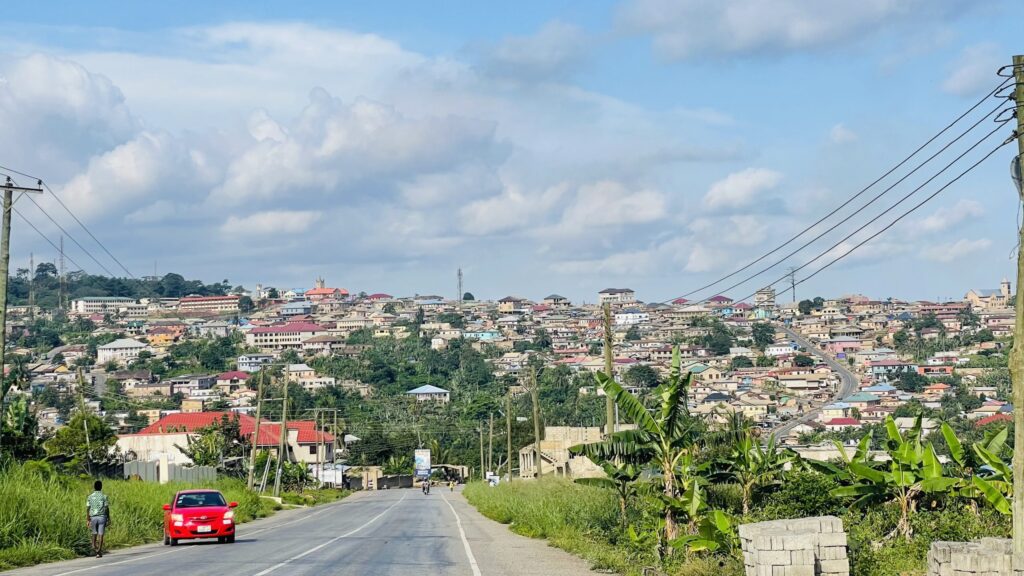
Nestled in Ghana’s Eastern Region, Aburi sits on the Akwapim-Togo Range with panoramic views of Accra’s coastal plains. Known for its serene weather, colonial-era houses, and botanical gardens, Aburi is one of Ghana’s most charming hill towns. Yet, its tourism potential remains largely dormant. Around the world, towns with similar topography and cultural heritage — Chefchaouen in Morocco, Santorini in Greece, Cappadocia in Turkey, and Cape Town in South Africa — have evolved into globally recognized destinations. Each achieved this not by demolishing its past, but by reimagining it with vision, consistency, and community participation.
Lessons from the World’s Most Beautiful Towns
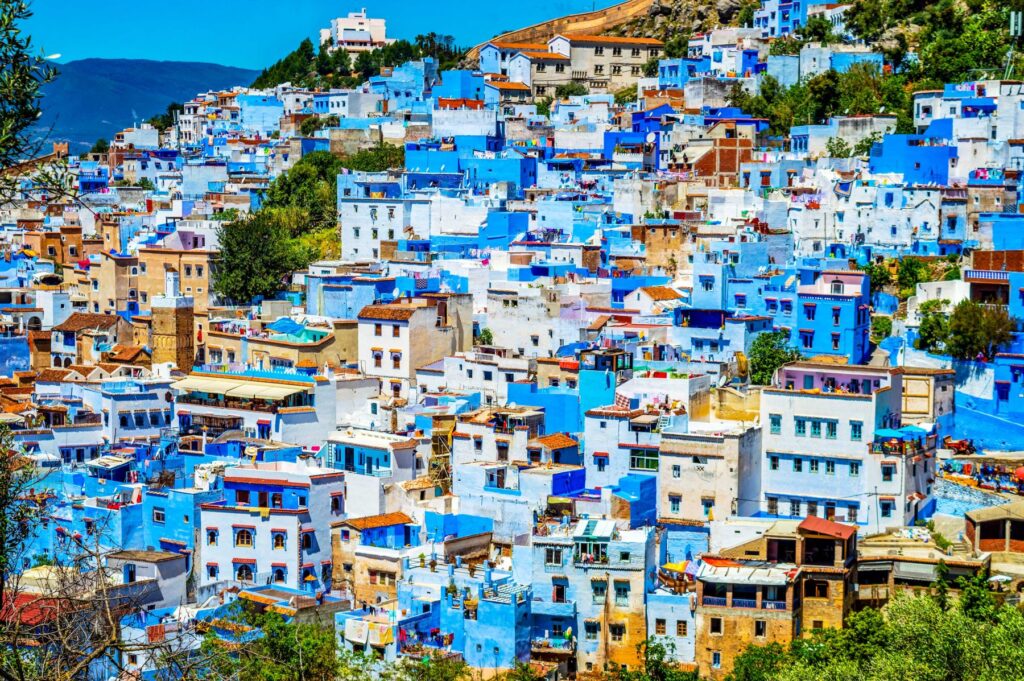
1. Chefchaouen, Morocco: The Power of Identity Through Color
Chefchaouen’s blue-washed walls have become a global visual icon. The town leveraged a simple cultural identity marker — the blue paint tradition — into a tourism magnet. Residents participate actively: they repaint their homes annually, ensuring visual harmony and community pride.
Lesson for Aburi:
Aburi’s colonial-era architecture and hillside layout could adopt a unified aesthetic identity — perhaps through color-coded facades or floral accents reflecting Ghanaian heritage. A coordinated design palette, led by local artisans and design students, could instantly turn the town into a living gallery of culture and calm.
2. Santorini, Greece: Harmony Between Architecture and Landscape
Santorini’s charm lies in its seamless blend of whitewashed buildings cascading into volcanic cliffs. The island enforces strict building codes: height limits, color restrictions, and preservation of domed roofs. Modern infrastructure like hotels and restaurants are built within this aesthetic, not against it.
Lesson for Aburi:
Government and municipal authorities could introduce heritage conservation bylaws to guide renovations rather than rebuilds. Owners of old homes in Aburi could be incentivized to restore using local materials like laterite stone, timber, and lime plaster. Instead of modern glass blocks, encourage verandas, carved balustrades, and traditional roofing — creating a coherent visual language that attracts photographers and culture tourists.
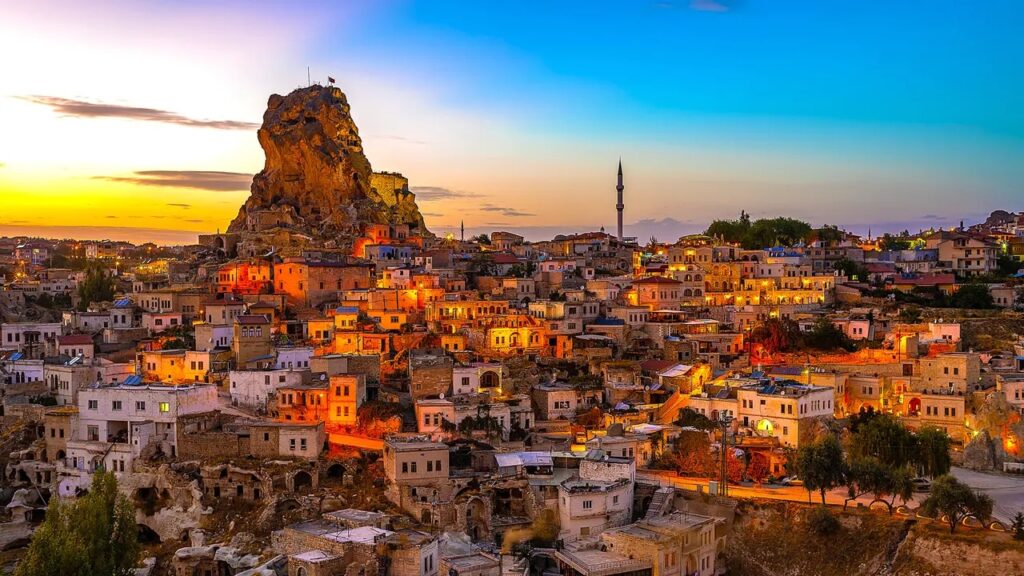
3. Cappadocia, Turkey: Living History Through Adaptation
Cappadocia turned its ancient rock dwellings into boutique cave hotels and art galleries. What was once rustic and forgotten is now luxury through reinvention. Importantly, tourism benefits are shared locally through community-owned guesthouses and cooperatives.
Lesson for Aburi:
Aburi’s old colonial and cocoa-era homes could be transformed into heritage lodges, craft studios, or farm-to-table eateries. Young entrepreneurs and artisans can operate out of restored homes, offering visitors immersive cultural encounters — woodworking, weaving, local food tasting, and storytelling nights.
How Ghana Can Reimagine Aburi Without Rebuilding
Transforming Aburi into a model tourism township doesn’t require skyscrapers or highways — it requires vision, coordination, and preservation.
1. Government’s Role
- Implement a Heritage Preservation Act for Aburi — designate it as a “Cultural Landscape Zone.”
- Offer tax incentives and low-interest renovation loans to homeowners preserving historic architecture.
- Improve access roads and sanitation discreetly, maintaining the town’s tranquil, natural appeal.
- Establish a Tourism Heritage Board to oversee design standards and community engagement.
2. Private Sector & Investors
- Invest in boutique hospitality — small inns, tea houses, cultural studios, and eco-lodges integrated into existing homes.
- Sponsor annual festivals celebrating Aburi’s craft, music, and flora.
- Create visual branding and storytelling campaigns akin to “Visit Santorini” or “Chefchaouen Blue.”
3. Community and Homeowners
- Form neighborhood tourism cooperatives to maintain facades, gardens, and signage.
- Encourage local families to open guest rooms, home cafés, or handicraft workshops.
- Introduce training programs for residents — from hospitality basics to storytelling — so that every encounter reinforces Ghanaian warmth.
4. Academic and NGO Collaboration
Universities and cultural NGOs can help design conservation blueprints, landscape plans, and skill-building programs. Aburi could even host a Tourism Innovation Hub, where students from architecture, arts, and agriculture experiment with sustainable restoration models.
A Vision for Aburi: Ghana’s Living Balcony
Imagine walking through Aburi’s narrow streets painted in earthy tones, shaded by ancient trees, lined with colonial balconies restored with local craftsmanship. The air carries the scent of cocoa, flowers, and roasted plantain. Old houses double as guesthouses and art galleries. Young guides narrate the town’s history. Every corner — from the Aburi Gardens to old railway quarters — becomes a postcard of Ghanaian heritage reborn.
With a blend of policy support, community ownership, and creative branding, Aburi can become what Chefchaouen is to Morocco, what Cappadocia is to Turkey, what Santorini is to Greece — and what Cape Town has become for Africa: a beacon of how beauty, history, and people can coexist sustainably.
As Born Black emphasizes — preserving what we already have is often the boldest form of progress.